Meadows Row: How-to, Tips & More
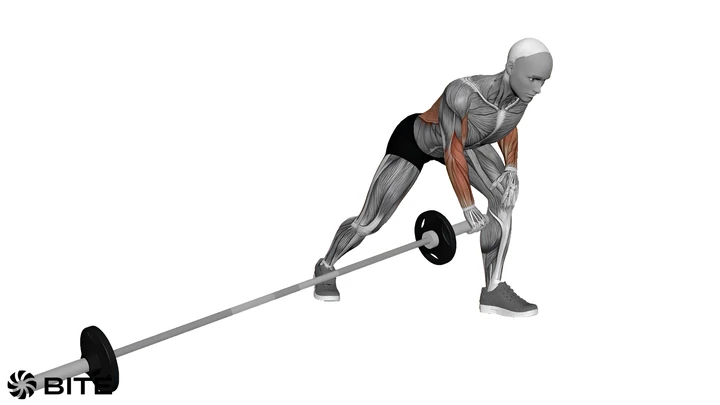
The Meadows Row is a intermediate compound exercise for your lats. You do it with barbell and landmine attachment, one side at a time. It is a good fit when your goal is both strength and muscle growth.
Besides the lats, it also works your upper back and biceps, so it fits well in a session that trains those muscles together.
Muscles worked
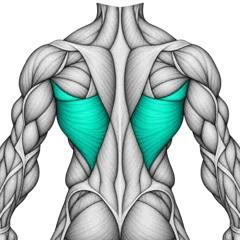
Lats
Primary
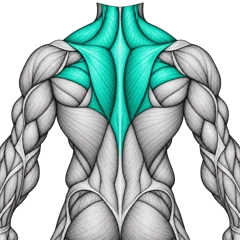
Upper back
Secondary
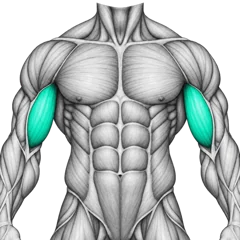
Biceps
Secondary
How to do the Meadows Row
- Stand side on to the end of a landmine bar and grip it near the plates.
- Stagger your feet and hinge forward with a flat back.
- Row the bar up and back toward your hip.
- Lower with control, then switch sides after the set.
Meadows Row tips
- Brace with your free hand on your knee.
Sets and reps
Most lifters do well with 6 to 12 reps per set, and 6 to 12 reps is where this exercise tends to work best. Use a weight that leaves one or two reps in reserve on every set, and add weight once you can complete all your sets at the top of the range. It also works well in a superset with an exercise for the opposite muscles. You can finish with a drop set when you want extra volume.
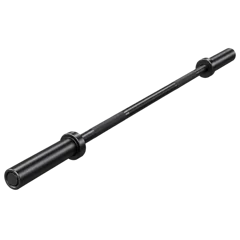
Equipment
Barbell, Landmine attachment
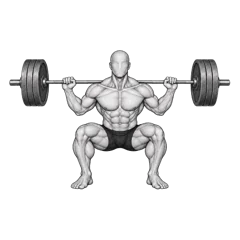
Type
Compound
Meadows Row alternatives
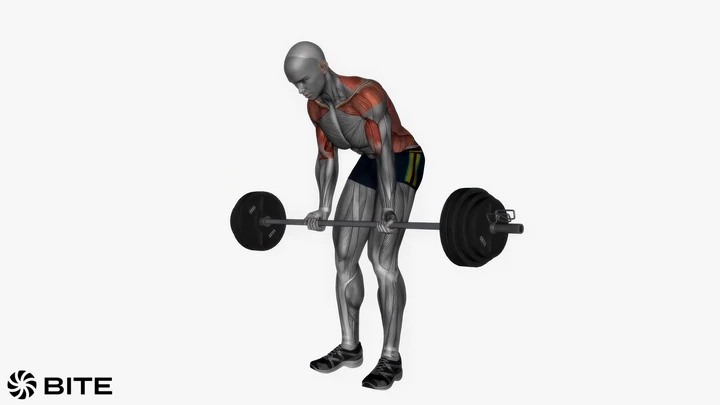
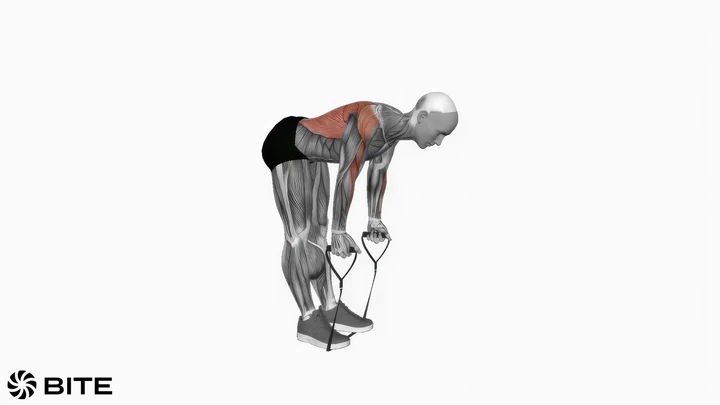
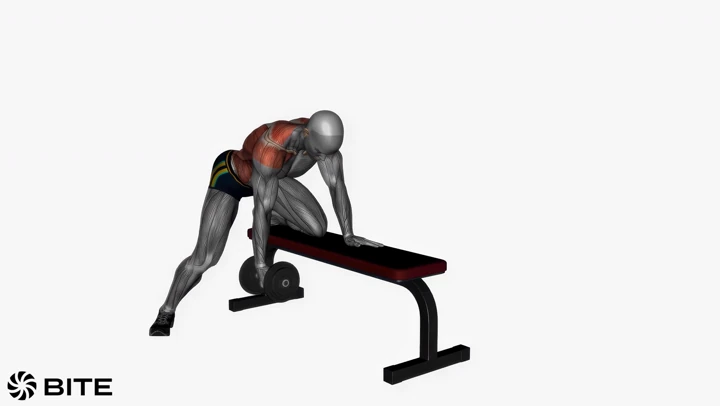
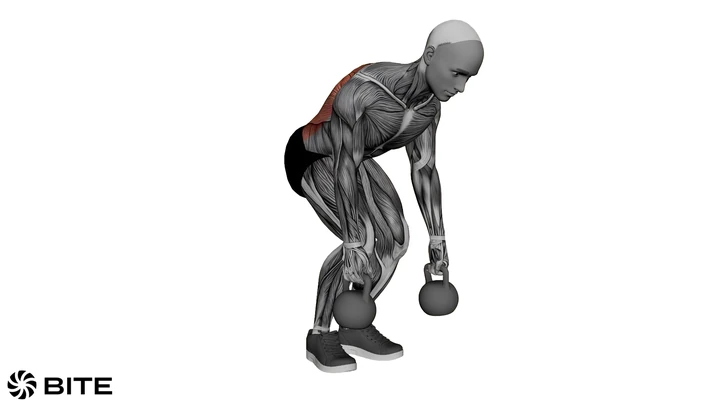
More lats exercises
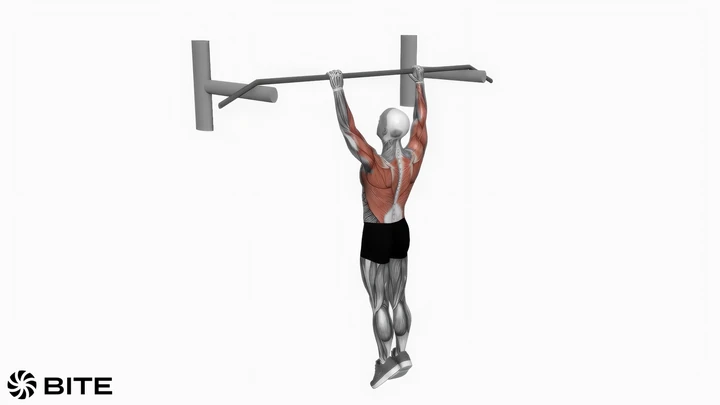
Archer Pull Up
Pull up bar
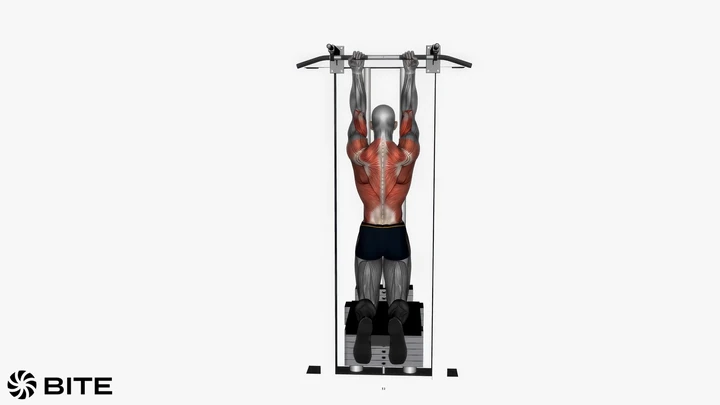
Assisted Chin Up
Assisted pull up machine
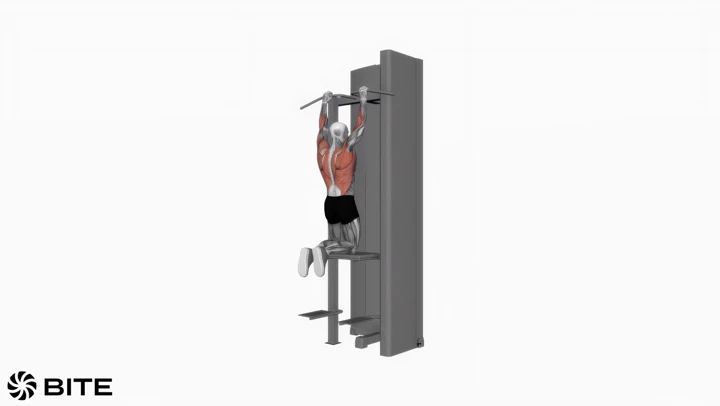
Assisted Pull-Up
Assisted pull up machine
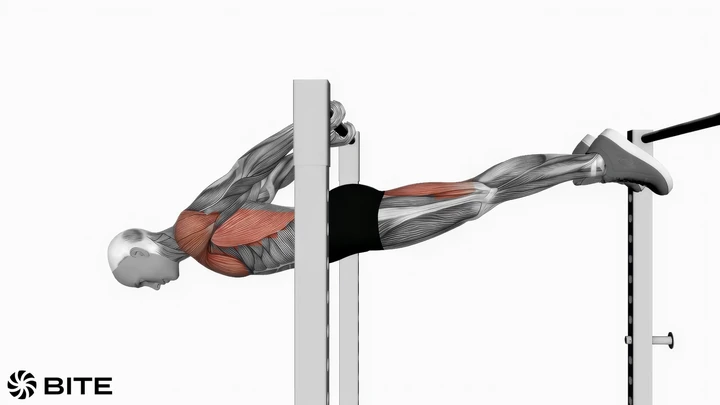
Back Lever
Pull up bar
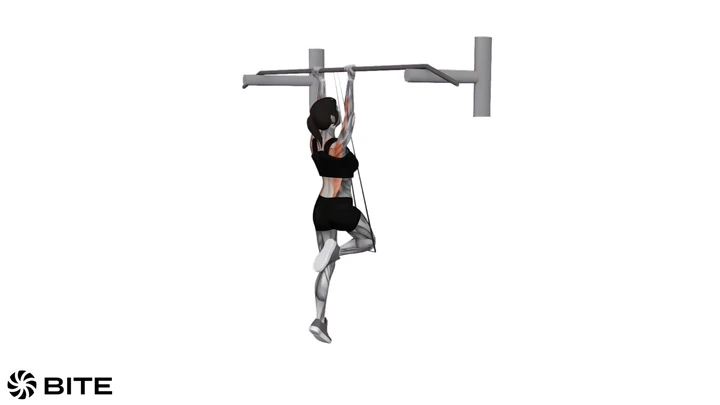
Band Assisted Chin Up
Resistance band
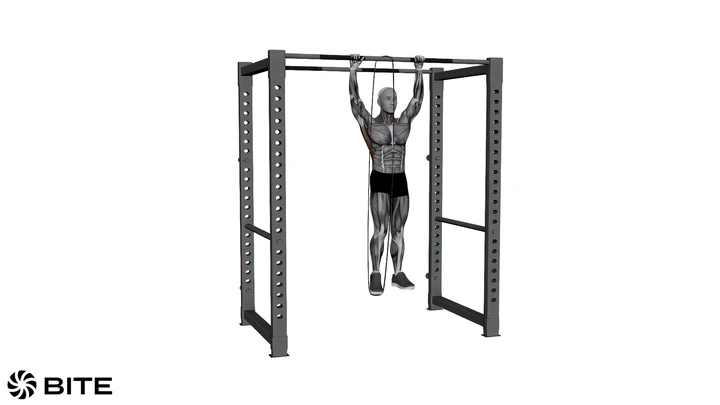
Band Assisted Pull Up
Resistance band
Frequently asked questions
What muscles does the Meadows Row work?
The Meadows Row mainly works your lats, with help from your upper back and biceps.
How many sets and reps should I do?
A good starting point is 6 to 12 reps per set, and many lifters get the best results between 6 to 12 reps. Use a weight that leaves one or two reps in reserve.
Is the Meadows Row good for beginners?
Yes. The Meadows Row is considered intermediate and is a good choice if you are new to training. Start light and focus on form.
What equipment do I need for the Meadows Row?
You need barbell and landmine attachment.
Add Meadows Row to your program
Bite fills in your weights, tracks your progress and tells you when to go heavier.

 Coming soon