Incline Barbell Bench Press: How to Do It, Muscles Worked and Common Mistakes
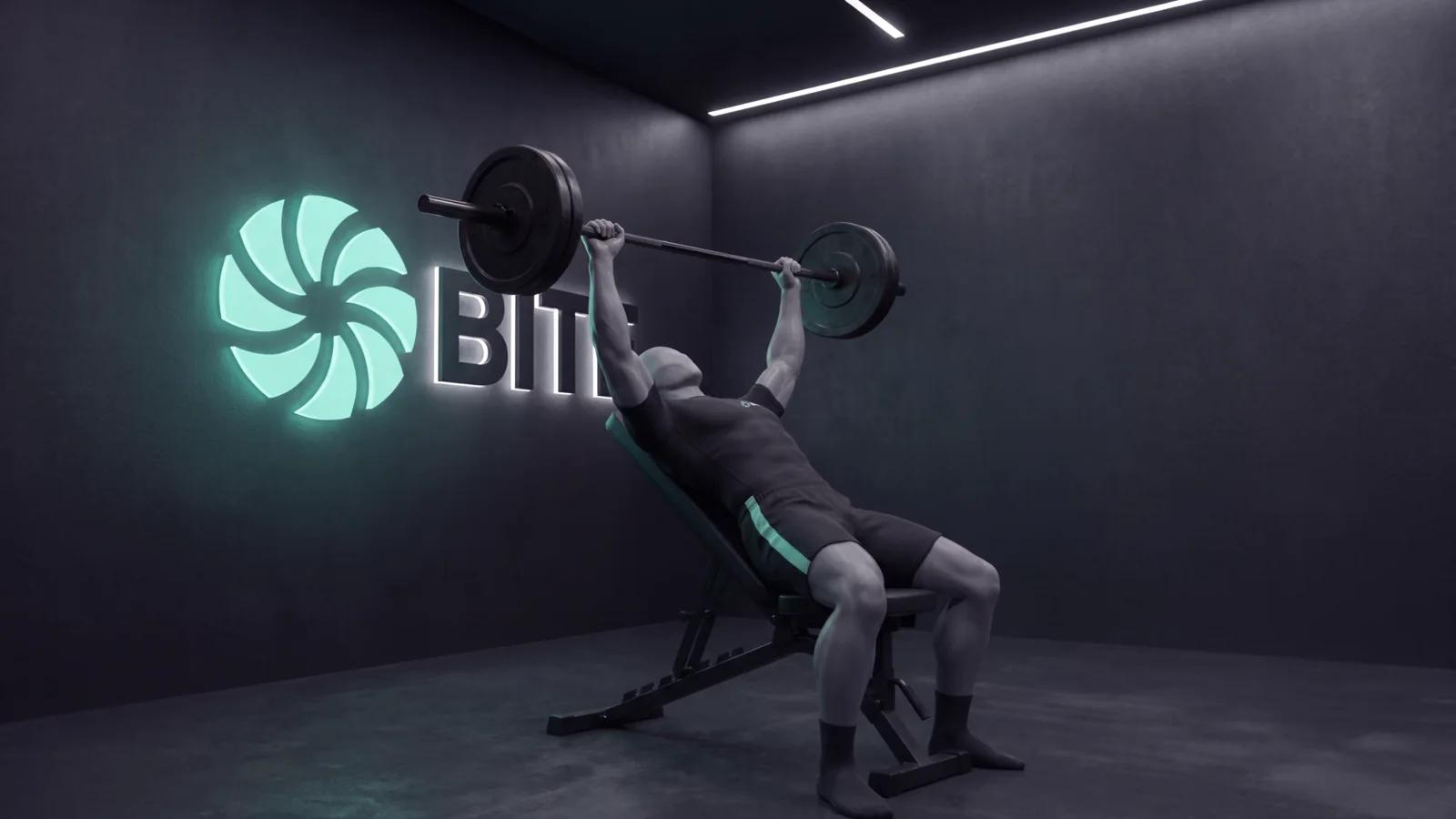
Learn the incline barbell bench press: setup, form, muscles worked, how steep to set the bench and how to progress it.
The incline barbell bench press is the best-known way to train the upper chest with a heavy barbell. You lie on a bench set at a slight angle and press the bar up over your shoulders. It looks like a normal bench press, but the angle moves more of the work to the top of the chest and the front of the shoulders.
Muscles worked
The main muscle is the chest, with the emphasis on the upper part near the collarbone. Two other muscle groups help every rep:
- Chest (upper chest): the main mover. It pushes the bar up and forward.
- Front delts (shoulders): they work harder than on a flat bench because the bar travels higher.
- Triceps: they straighten your elbows to finish each rep.
You can find the full details, with a video you can loop, on the Incline Barbell Bench Press exercise page.
How to do the incline barbell bench press
- Set the bench to about 30 degrees and lie back with your eyes under the bar.
- Grip the bar a little wider than shoulder width and pull your shoulder blades back and down.
- Unrack the bar and hold it over your shoulders with straight arms.
- Lower the bar under control to your upper chest, just below the collarbone.
- Press it back up over your shoulders and repeat.
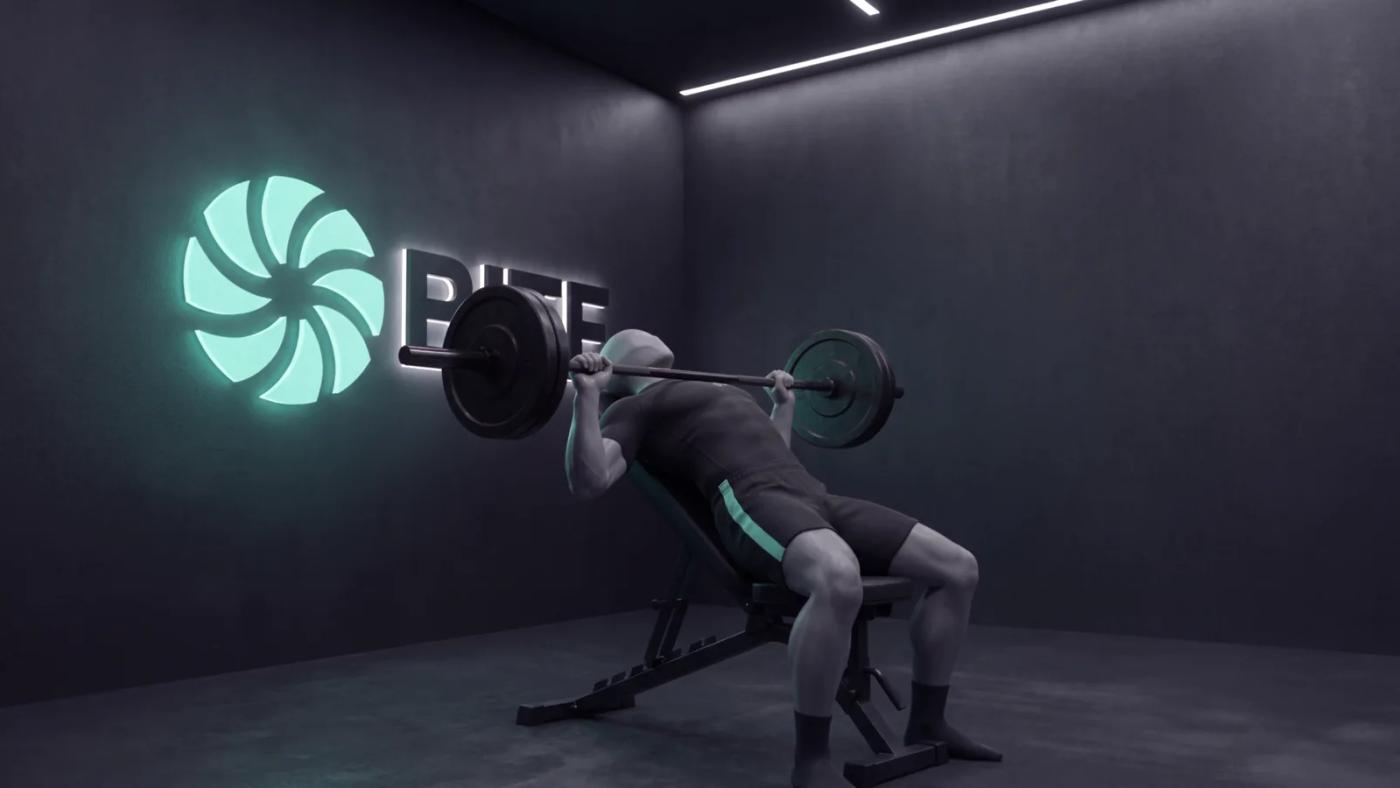
How steep should the bench be?
Most lifters do well with a low incline, somewhere around 15 to 30 degrees. At that angle the upper chest works hard and the shoulders still help, but they do not take over. As the bench gets steeper, the front delts do more of the lifting and the exercise starts to look like a shoulder press. If your shoulders tire before your chest does, lower the bench a notch.
Common mistakes
- Setting the bench too steep. It turns the lift into a shoulder exercise.
- Flaring the elbows straight out to the sides. Keep them at roughly 45 to 60 degrees from your body.
- Bouncing the bar off the chest. Lower it with control and touch lightly.
- Lifting your hips or shoulder blades off the bench. Keep your upper back pinned the whole set.
- Going too heavy too soon. The incline press usually uses less weight than the flat bench, so do not copy your flat numbers.
Sets, reps and progression
A good starting range is 4 to 10 reps. Use a weight that leaves one or two reps in reserve on every set and work up to 3 or 4 sets.
For progression, use double progression: stay at the same weight until you hit the top of the rep range on all sets, then add a small amount of weight and start from the bottom of the range again. Read more about how Bite chooses your next weight in the guide on progression.
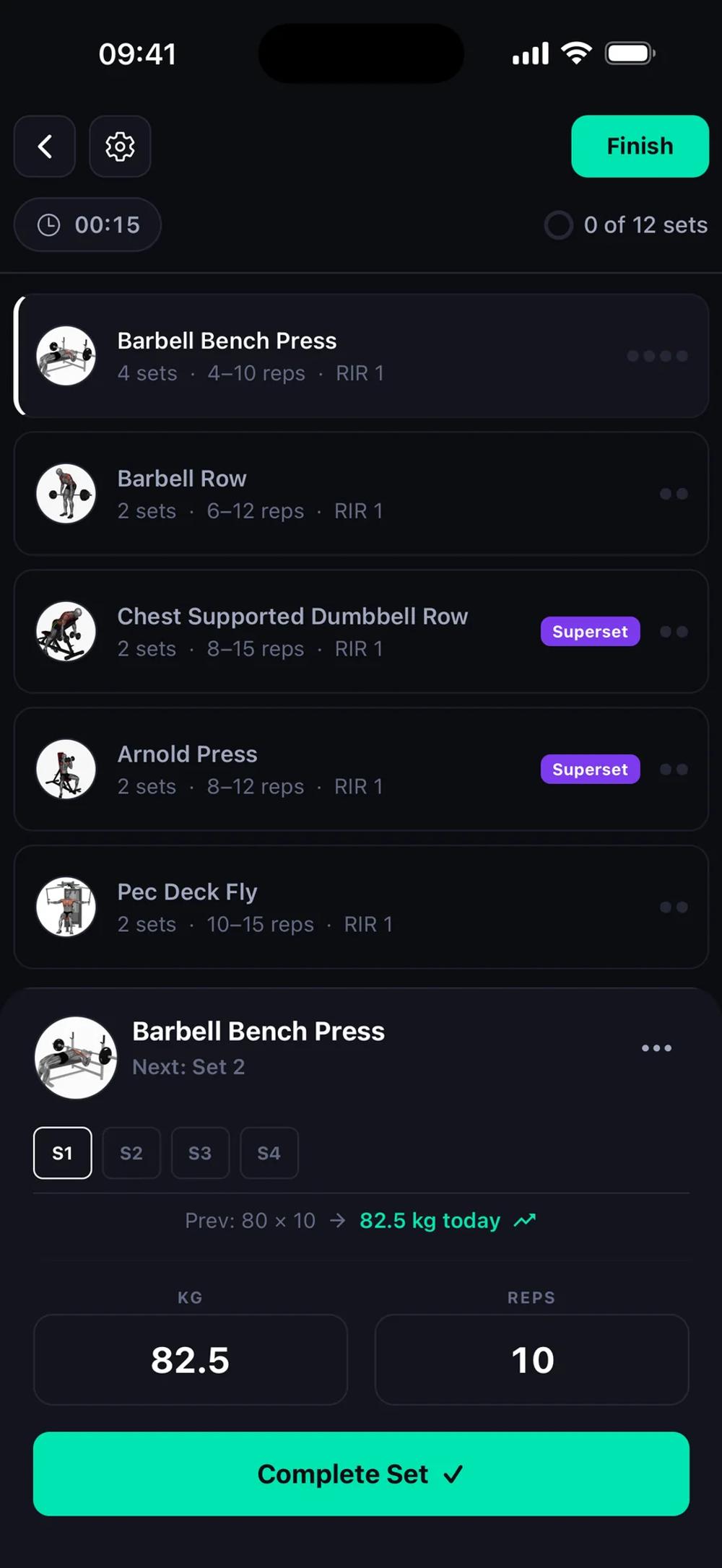

In Bite, every set shows what you lifted last time and the weight to use today. When you earn a heavier weight, it is already filled in.
Incline bench press alternatives
No incline bench or barbell? These swaps train the same muscles:
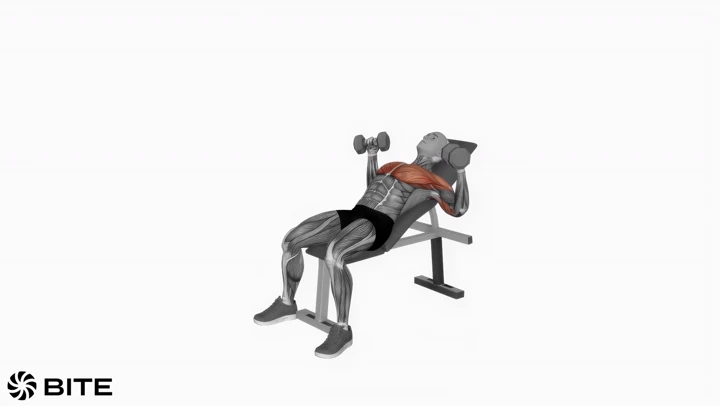 Incline dumbbell bench press
More range of motion and each arm works on its own.
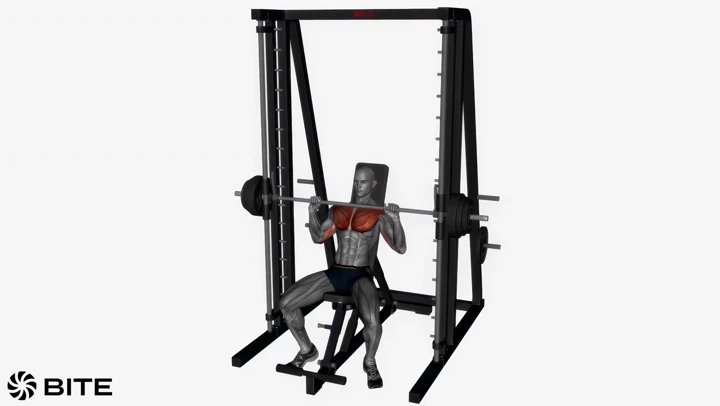 Smith machine incline bench press
A fixed bar path, good when you train without a spotter.
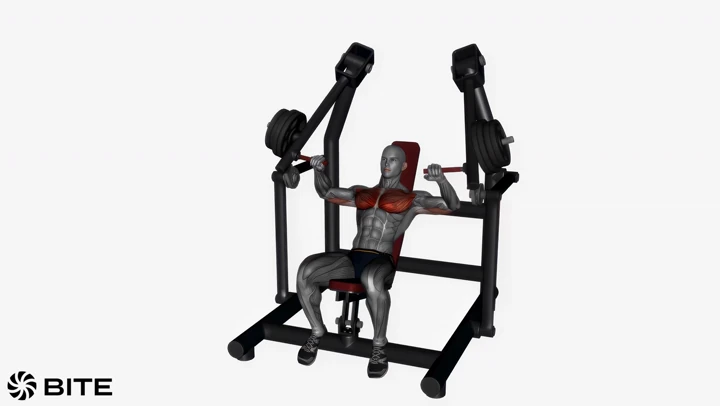 Machine incline chest press
Easy to load and safe to take close to failure.
Frequently asked questions
Is the incline bench press better than the flat bench press?
Neither is better. The flat bench loads the whole chest and usually lets you lift more weight. The incline shifts more work to the upper chest. Most programs use both, or one as the main lift and the other as a second chest exercise.
How heavy should I go on the incline bench press?
Choose a weight where the last rep of each set is hard but you could still do one or two more. For most people this is about 80 to 90 percent of what they lift on the flat bench.
How often should I train it?
Once or twice a week is enough for most lifters. Put it after your main chest exercise, or make it the first lift on an upper body day when you want to bring up the upper chest.
Add it to your program
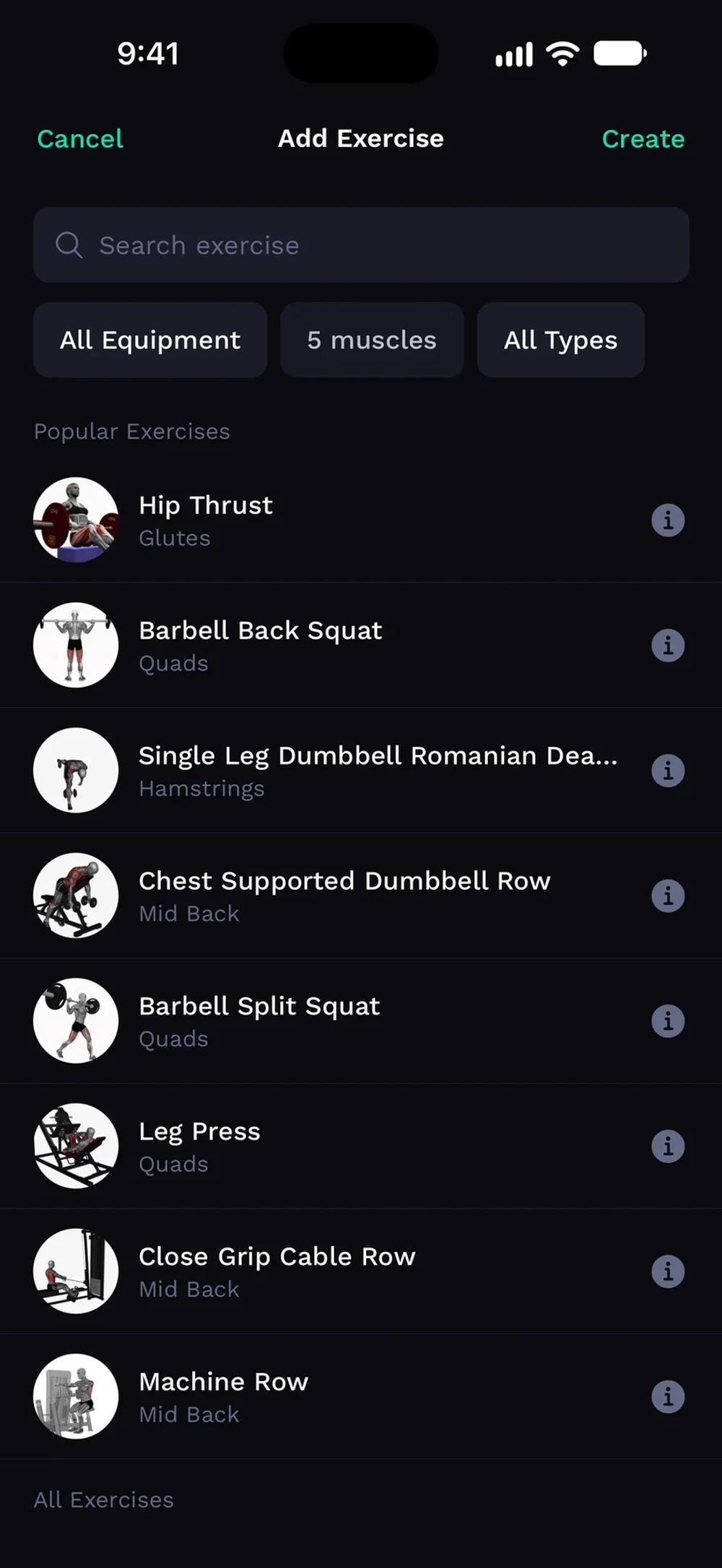
Search for Incline Barbell Bench Press in the exercise picker and add it to any day. Bite fills in your weights, tracks every set and tells you when to go heavier.
Put it into practice with Bite
Your program, your weights, your progress. Free to start.

 Coming soon